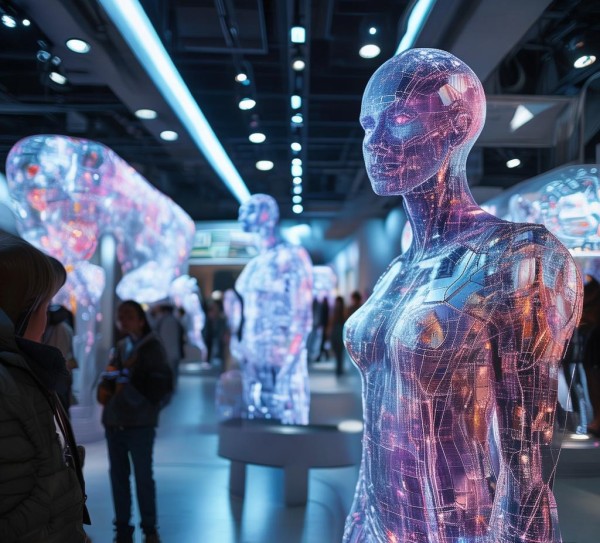

Digital exhibitions are not just about showcasing products; they are about creating an immersive experience that captivates consumers. These platforms leverage advanced technologies, such as virtual reality (VR) and augmented reality (AR), to present products in a way that feels authentic and engaging. For instance, in a digital exhibition, consumers can virtually walk through a product's features, test its functionality, and explore its design in a more immersive manner. This approach is particularly beneficial for complex or difficult-to-demonstrate products, as it transforms the traditional approach of presenting products into a dynamic, interactive experience.
The integration of digital platforms with traditional marketing channels, such as social media and website content, has revolutionized how brands communicate. By embedding digital content within a broader marketing strategy, platforms ensure that consumers are consistently exposed to the latest trends, innovations, and product features. This dual approach not only enhances visibility but also fosters brand recognition and trust, making it easier for consumers to make informed purchasing decisions.
Translation videos have emerged as a game-changer in bridging the gap between technical and consumer understanding. Unlike traditional digital exhibition content, which often relies on complex language, translation videos simplify the presentation of information, making it more relatable and easier to digest. These videos often include a mix of images, short clips, and audio descriptions, which are translated into multiple languages, ensuring that the content is accessible to a global audience. The use of subtitles in different languages further enhances the inclusivity of the content, catering to a broader demographic.
One of the key benefits of translation videos is their ability to demystify complex information. By breaking down technical details into simple, engaging language, they help consumers understand the value proposition of a product or service without getting bogged down by jargon. For example, a video explaining how a new type of battery works might use a combination of images, short clips, and translated descriptions to convey the technical aspects in a way that is easy to grasp.
Another advantage of translation videos is their adaptability to different learning styles. Some consumers prefer reading and listening, while others prefer visual and interactive content. By offering a variety of formats, translation videos cater to a wider audience, ensuring that all consumers can benefit. This diversity in presentation further enhances the consumer experience, making digital content more engaging and memorable.
To illustrate the impact of translation videos, consider a global consumer who has become a frequent buyer of a particular product. Before the widespread use of translation videos, this consumer might have been confused by the technical details, unable to compare the product with others, or struggling to understand the benefits of the product. However, with the use of translation videos, the consumer was able to get a clear understanding of the product's features, benefits, and value proposition.
In a recent digital exhibition, Sarah highlighted how translation videos made the difference between her satisfaction at a product display and her decision to purchase it. "The translation videos gave me a clearer picture of what the product actually does, and I was able to compare it directly with similar products from different countries," she said. This example demonstrates how translation videos not only enhance the presentation of digital content but also improve consumer engagement and decision-making.
As digital platforms continue to evolve, the role of translation videos in supporting consumer understanding becomes increasingly crucial. The increasing demand for accessibility and interactivity in digital content is driving the need for translation videos to become an integral part of the consumer experience. With the rise of artificial intelligence and machine translation, translation videos are becoming more sophisticated, offering even more flexibility and customization.
In conclusion, digital exhibitions are revolutionizing the way products are presented and consumed, offering consumers a more immersive and interactive experience. However, the effectiveness of these platforms depends on the ability of translation videos to simplify complex content and cater to diverse learning styles. As digital technology continues to advance, the role of translation videos will only become more crucial in shaping consumers' understanding and decision-making. By embracing translation videos, brands can unlock the full potential of digital exhibitions and create a more effective marketing strategy for their audiences.